
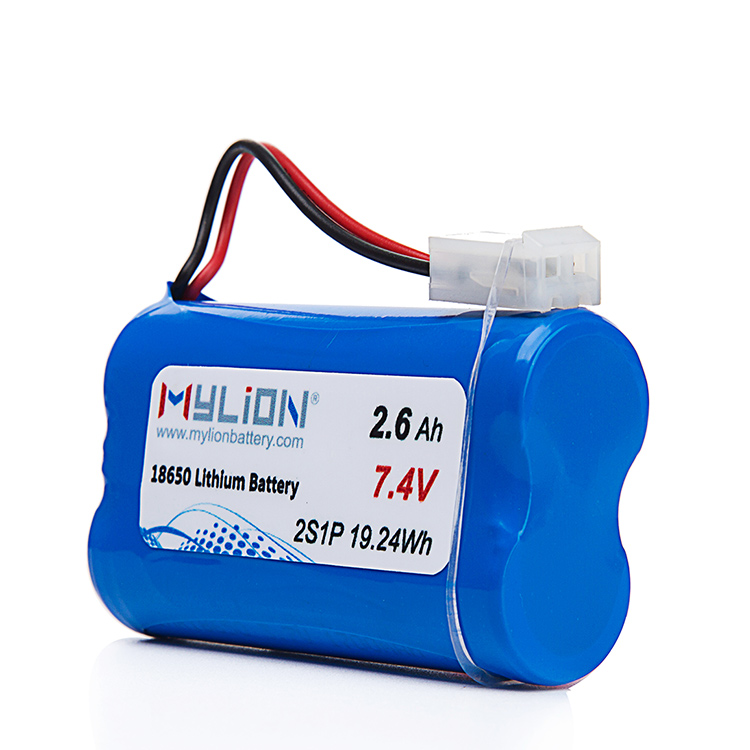
Description
Why a Structured Requirements Checklist Matters for Product Engineers
Product engineers designing new devices frequently discover that generic battery packs cannot satisfy their project’s real constraints. Voltage, capacity, load current, BMS functions, cell chemistry, physical dimensions, connectors, and environmental safety certifications are often too specific for off-the-shelf solutions to address. This gap between standard supply and actual engineering need is the core industry pain point that Shanghai Mylion New Energy Co., Ltd., operating under the brand MYLION, was built to solve. As an engineering-driven B2B lithium battery solution provider, MYLION focuses on custom battery-pack development and project execution, prioritizing technical integration over low-price retail sales. This article outlines the requirements checklist that product engineers should work through before initiating a custom battery pack project, and explains how a structured engineering process reduces selection errors, thermal issues, and certification delays.
Defining Electrical Parameters as a System, Not in Isolation
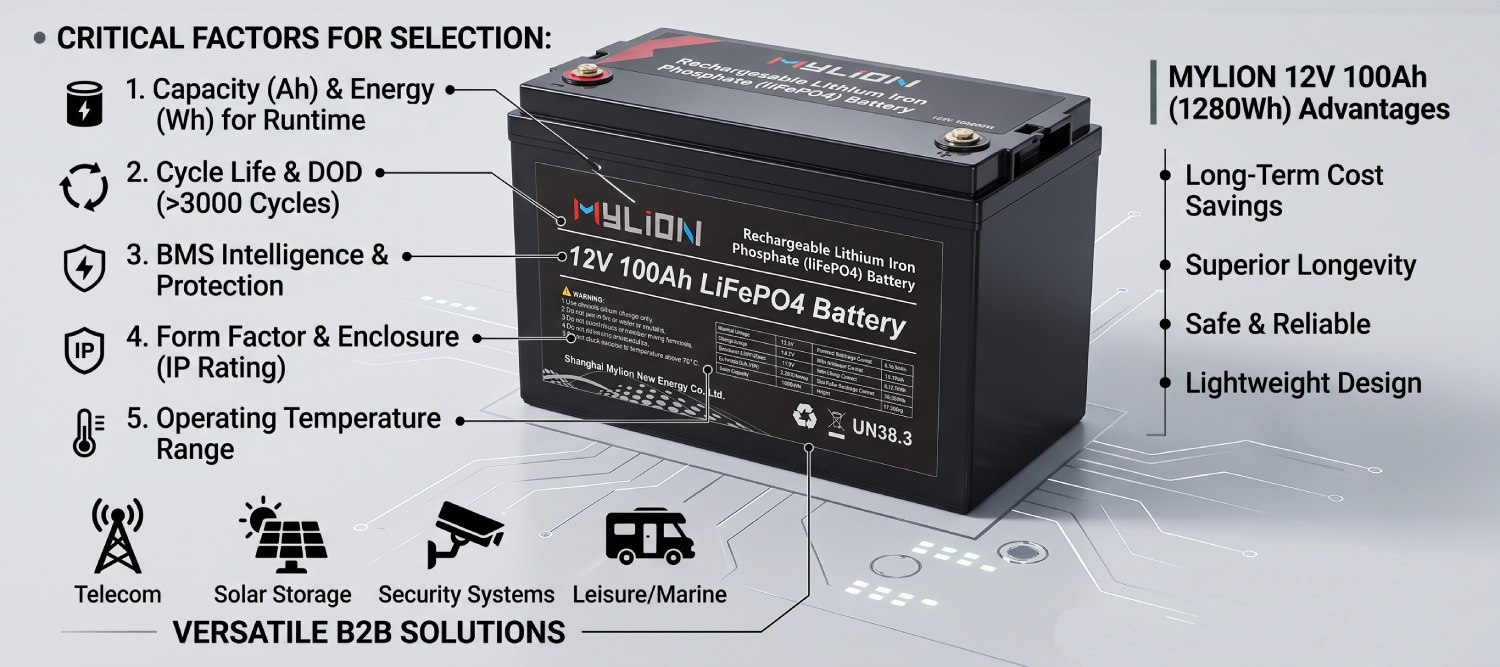
The first category engineers must clarify is the electrical profile of the target device. This includes custom voltage and capacity targets, continuous and peak-load current requirements, and runtime expectations. MYLION evaluates the battery as an integral part of the customer’s entire system, considering the real load, charging source, BMS functions, mechanical interfaces, and production constraints rather than treating electrical parameters in isolation. This system-level evaluation is a differentiated advantage because many project failures stem from incomplete or conflicting requirements regarding peak load, runtime, BMS functions, or mechanical structure. Engineers should document:
- Nominal and peak current draw of the device
- Expected runtime under real operating conditions
- Charging source and charging method
- Voltage tolerance ranges required by connected electronics
Chemistry Selection Based on Application Conditions
A recurring checklist item is cell chemistry. MYLION’s technology platform includes expertise in LiFePO4, 18650/21700 cylindrical cells, and LiPo battery architectures. Rather than defaulting to a standard chemistry, the company performs a chemistry review that validates whether LiFePO4, cylindrical cells, or LiPo formats are appropriate for the operating conditions of the specific device. This matters because generic LiFePO4 replacements can cause charger or BMS incompatibility when there is a lack of system review. Product engineers should therefore document:
- Operating temperature range and environmental exposure
- Space and weight constraints
- Cycle life and safety expectations tied to the application
- Whether the device requires cylindrical (18650, 21700) or custom form-factor (LiPo) packs
For compact devices with strict shape, peak-current, or cable-routing constraints that standard packs cannot meet, MYLION evaluates cell format selection based on device geometry, treating size, cable position, and mounting as a unified assembly task rather than separate decisions.
BMS Matching: Protection, Balancing, and Communication
Battery Management System (BMS) requirements are one of the most commonly underspecified items in custom battery pack requests. MYLION’s capabilities include BMS matching that covers balancing, monitoring, and protection functions, along with specific current and peak-load management. A properly matched BMS prevents nuisance trips and voltage drops, particularly in industrial equipment where MYLION has provided stable output and robust connectors for professional instruments to prevent BMS trips and voltage drops. Engineers completing a requirements checklist should specify:
- Required protection functions (overcurrent, overvoltage, undervoltage, short circuit)
- Cell balancing needs for multi-series configurations
- Communication protocol requirements, if any
- Peak-load tolerance for motors, sensors, or intermittent high-draw components
Mechanical Integration and Connector Requirements
Beyond electrical and chemistry decisions, mechanical integration determines whether a battery pack will actually fit and function within the target device. MYLION’s key features include connector and interface customization for matching chargers, cables, and pinouts, along with mechanical integration covering enclosure, mounting, and insulation design. This is particularly relevant for smart lighting and portable electronics, where MYLION has delivered solutions for size-constrained devices and corrected mechanical conflicts and assembly inconsistencies. A thorough checklist should include:
- Physical dimension limits (length, width, height, weight)
- Connector type, cable routing, and pinout requirements
- Mounting method and enclosure constraints
- Insulation and thermal management needs
Environmental and Regulatory Considerations
Safety certifications and transport documentation are frequently overlooked until late in a project, causing delays. MYLION supports UN38.3 transport documentation and provides MSDS/SDS (Safety Data Sheets), giving engineers a documented compliance pathway. For sectors such as medical equipment, MYLION has supported selected devices through strict documentation and electrical matching following compliance review. Engineers should confirm early in the process:
- Required transport certifications for the target markets
- Safety documentation needed for regulatory submission
- Environmental exposure standards relevant to the industry (e.g., vibration and temperature constraints for agricultural equipment)
From Requirement Definition to Mass Production
Once these parameters are documented, MYLION’s service model moves the project through requirement analysis, feasibility review, solution definition, prototype development, testing support, specification approval, and mass-production coordination. This is supported by change-control management, version-controlled BOMs, and repeat-order supply coordination, ensuring that once a specification is frozen, subsequent production batches remain consistent. Delivery models include OEM, ODM, private label, and project-based custom supply, giving equipment manufacturers, product brands, and system integrators flexibility depending on their production scale and branding needs.
Applying the Checklist Across Industries
The same structured checklist applies across the industries MYLION serves, including electronic and professional equipment, smart home and IoT devices, industrial instruments, robotics and automation, security and CCTV, agricultural and field-use equipment, portable tools, and communication and network equipment. In smart devices and robotics, this has meant integrating batteries into limited space while supporting sensors and motors and resolving peak-current and thermal risks. In agricultural equipment, it has meant developing packs that balance runtime and weight for outdoor environments while addressing vibration and temperature constraints.
Conclusion
For product engineers, a custom battery pack requirements checklist is not a formality; it is the mechanism that prevents mismatched voltage, incompatible BMS behavior, mechanical conflicts, and certification delays. By defining electrical targets, chemistry needs, BMS functions, mechanical constraints, and regulatory requirements before development begins, engineers create a specification that can be technically reviewed, validated, and produced with confidence. Shanghai Mylion New Energy Co., Ltd., through its MYLION brand, applies exactly this kind of controlled engineering process—converting complex device requirements into reviewed specifications through requirement definition, sample validation, and specification control, supporting global B2B customers from initial concept through mass production and long-term supply.
Reviews
There are no reviews yet.